

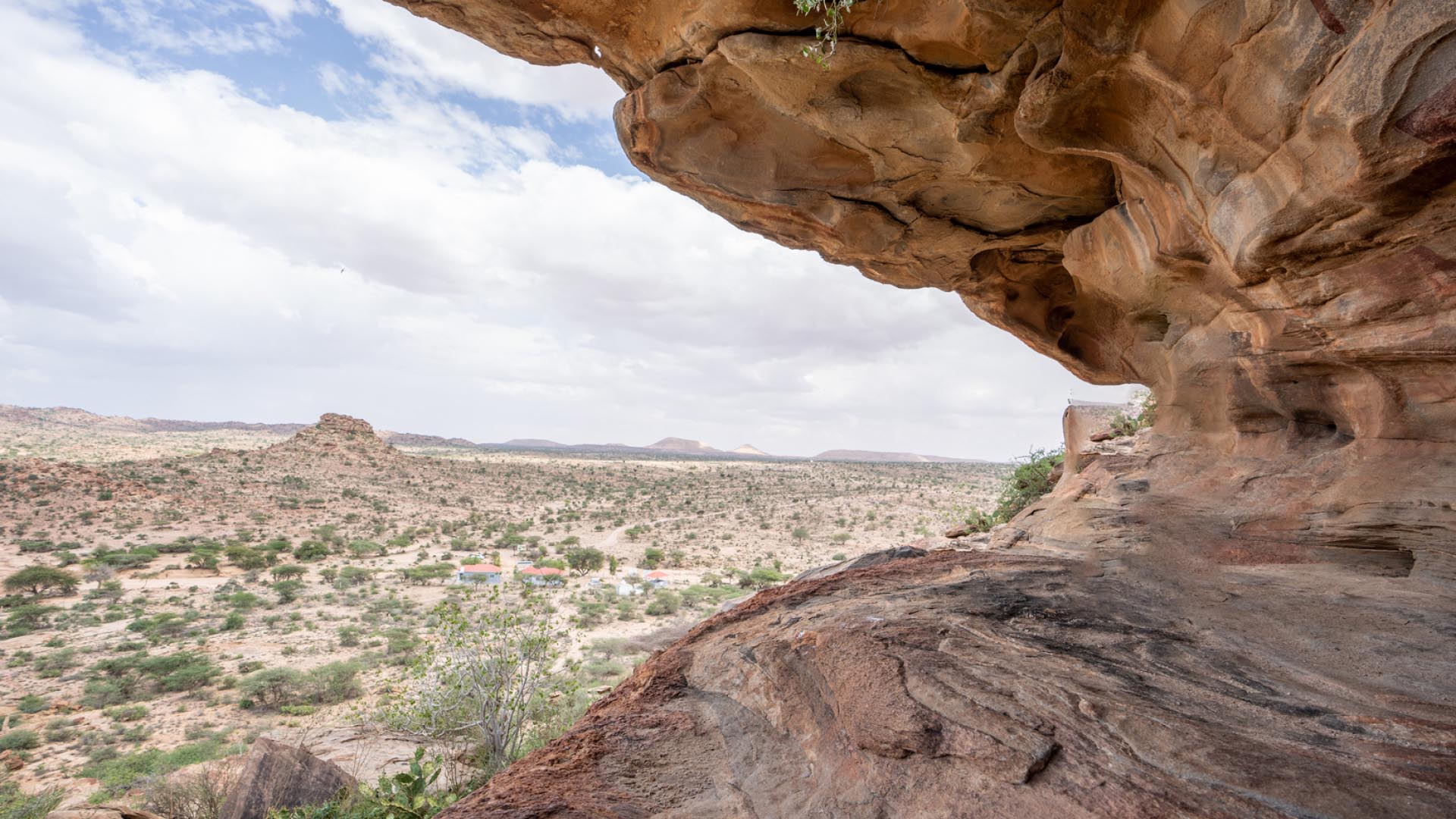

"John Loomis of CyArk, a nonprofit organization dedicated toward "Preserving World Heritage Sites through collecting, archiving and providing open access to data created by laser scanning, digital modeling, and other state-of-the-art technologies", recently circulated an important announcement of interest to DDIG members.
Their team has made a major contribution to data dissemination of significant world heritage sites. The new "CyArk 3D Heritage Archive is a beautifully designed, highly professional, and easily navigated website with an impressive collection of media resources. All the media have clear spatial referencing and are easy reached through a map-based user interface. Professionals will eventually have access to underlying data files and other resources important for cultural and architectural resource management.
Most of their emphasis is on historic and architectural preservation, especially through laser scans, digital modeling, and other digital media documentation. These types of documentation have growing importance in many areas of archaeological research. Organizing these resources in an attractive and easily used framework is an impressive accomplishment, and can and should be combined with efforts to organize and share other important aspects of archaeological documentation, including excavation notes and analyses of finds.
Of equal importance to their technical accomplishments is their recognition that open access and open licensing adds value to the media documentation that they offer. The open terms of Creative Commons licenses enable users to incorporate these high-quality media items into new original works. Use of Creative Commons licenses makes sense, after all appeals to the "public interest justifies both funding and preservations laws and policies that support archaeology and historical preservation. These licenses help ensure that the members of the public can draw value and creative inspiration from the documentary record of the past."
