
"CyArk, the non-profit organisation which preserves endangered World Heritage sites, has put together a team of survey engineers and archaeologists to demonstrate high definition laser scanning to survey archaeological sites in Mesa Verde National Park, USA. The park was an urban settlement of an ancient civilisation of builders between 1000-1200AD.
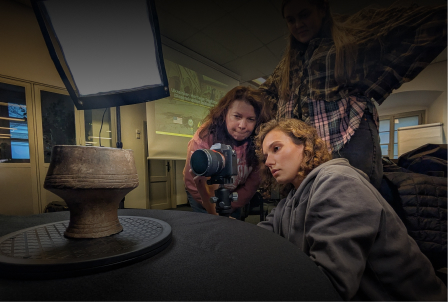
The organisation, which preserves endangered World Heritage sites, used the High Definition Documentation (HDD) tool to combine long-and short-range HDS laser scanning survey technology with high dynamic range photography.
The data was used to construct a high resolution photo-textured model and from this plans, sections and detailed elevation drawings were produced to support future condition assessments. The technology is estimated to have been 80% quicker than traditional surveying methods."