

A new report from the Union of Concerned Scientists warns that some of the most iconic sites of American history are at risk from the effects of climate change. The United Nations’ 2013 Intergovernmental Panel on Climate Change anticipated that global sea levels will rise from 1-3 feet by 2100. Already, the East Coast and many Gulf states have reported a 1-2 foot rise in sea levels. An interactive map from USA Today shows the heritage sites like Ellis Island and Liberty Island (NY), Jamestown (VA), and the Kennedy Space Center in Cape Canaveral (FL), which are threatened by rising waters, storm surges, and flooding.
But the threats posed by climate change aren't limited to rising sea levels. Increases in temperature, and prolonged droughts are putting sites in danger on the West Coast of the United States and across the Southwest. Large-scale fires have devastated the landscape at Mesa Verde National Park in Colorado, and damaged ancient pueblo buildings, artifacts including pottery, and rock engravings. To compound the issue, the fires are often followed by flooding that erodes away the vulnerable burned landscape.
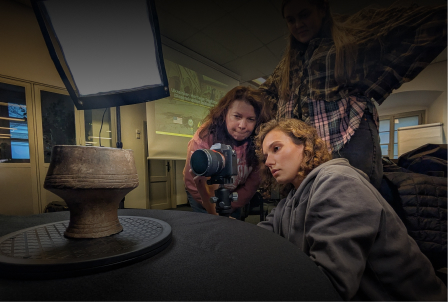
Recognizing that sites around the world are degrading faster and facing higher risks, CyArk launched the 500 Challenge in October 2013 to raise awareness and establish a program to leverage digital preservation to assist endangered places before they suffer more damage, or are lost entirely. For example, experts with the Union of Concerned Scientists believe that Jamestown could be completely underwater by the end of this century. The unprecedented CyArk 500 initiative seeks to digitally preserve 500 at-risk, significant heritage sites from around the world in five years.
The endangered sites in the U.S. speak to nearly every phase of history that shaped the country into what it is today—from the ancestral puebloans' cliff dwellings, to the first permanent European settlement, to gold miners and westward expansion, to the gateway for waves of immigrants seeking new opportunities, and the strategic hub of the farm worker rights movement. If we lose these sites, we also lose a part of America’s memory and identity. CyArk applauds the measures that the National Park Service and other site managers are taking to try and protect the sites from harm, and we remain committed to doing our part and documenting these places in 3D for students and conservators today, and for the future generations of tomorrow.


