Syria
12th-century hospital and medical school in Old Damascus
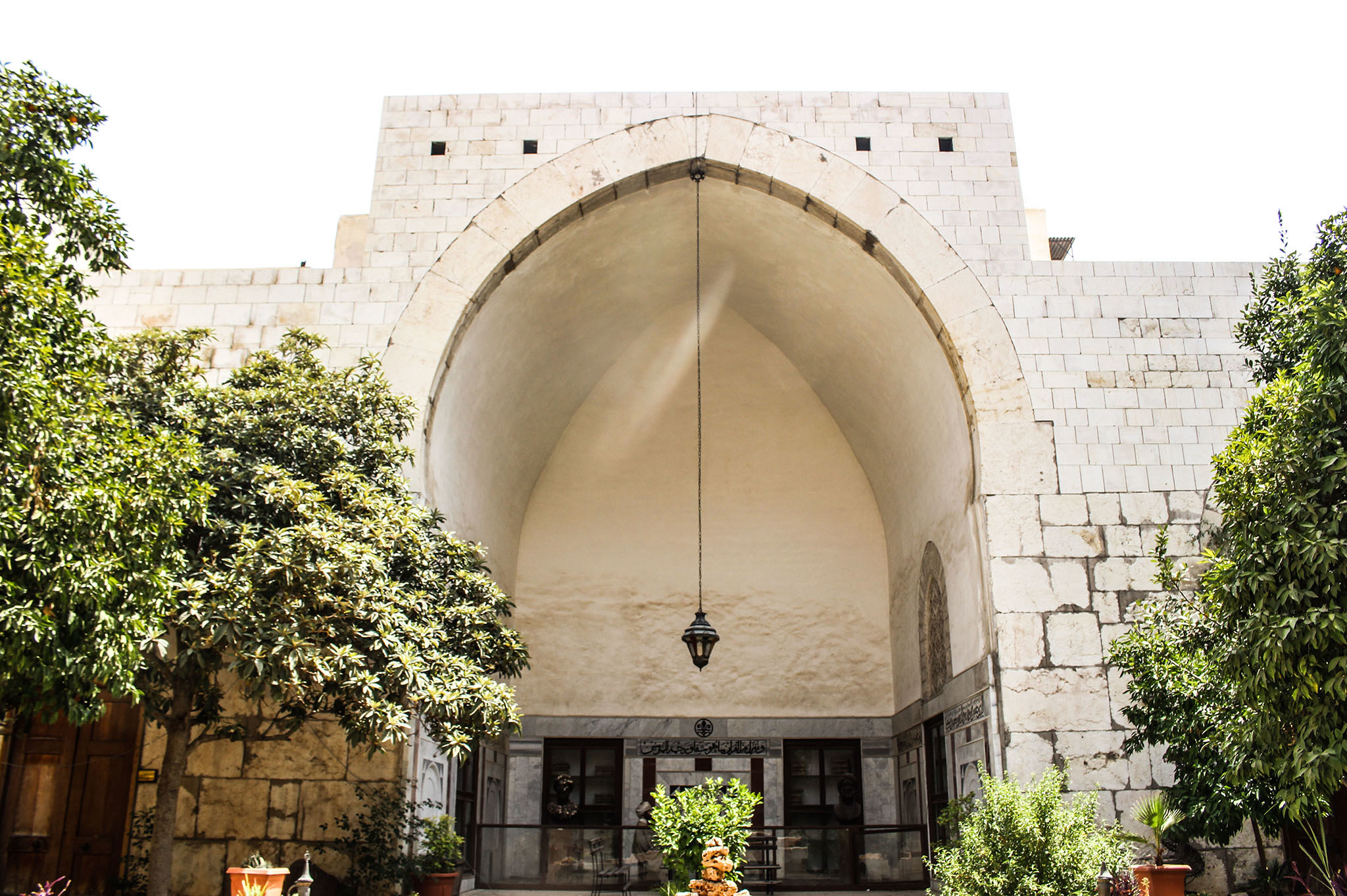
The Bimaristan Nur al-Din in Old Damascus was founded in 1154 by the Zengid ruler Nur al-Din as a hospital and medical school. It was one of the most important hospitals of the medieval Islamic world, where physicians treated patients free of charge and trained students, and it continued to operate as a hospital for centuries. Its entrance is crowned by a carved muqarnas vault, and its rooms are arranged around a courtyard with a central pool. Today the building houses the Museum of Medicine and Science in the Arab World. The Ancient City of Damascus is a UNESCO World Heritage Site.
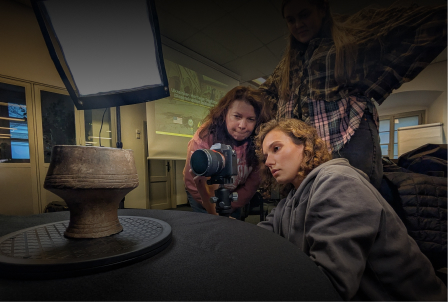
The Bimaristan Nur al-Din was documented as part of Project Anqa, a collaboration between CyArk, the International Council on Monuments and Sites (ICOMOS) and Carleton University, funded by the UK-based Arcadia Foundation. Responding to the catastrophic loss of heritage in the Middle East, the project trained local heritage professionals in digital documentation. With the UNESCO Office for the Preservation of Syrian Cultural Heritage, CyArk trained Syrian heritage professionals in Lebanon in 2016 and 2017, and they went on to document six sites in Damascus.